Peripheral Artery Disease (PAD) Awareness Month
Don’t Ignore Leg Pain. It Could Be Your Circulation.
September is Peripheral Artery Disease (PAD) Awareness Month, a time to raise awareness of a condition that affects millions of Americans and can be an important warning sign of cardiovascular disease.
At Consulting Cardiologists, PC, we want our patients to understand that heart health involves more than the heart itself. Peripheral Artery Disease (PAD) occurs when plaque builds up in the arteries that carry blood to the legs and feet. Reduced blood flow can cause leg pain, numbness, slow-healing wounds, and other symptoms.
PAD can also be a sign of atherosclerosis elsewhere in the body and may increase the risk of heart attack and stroke.
Know the Warning Signs
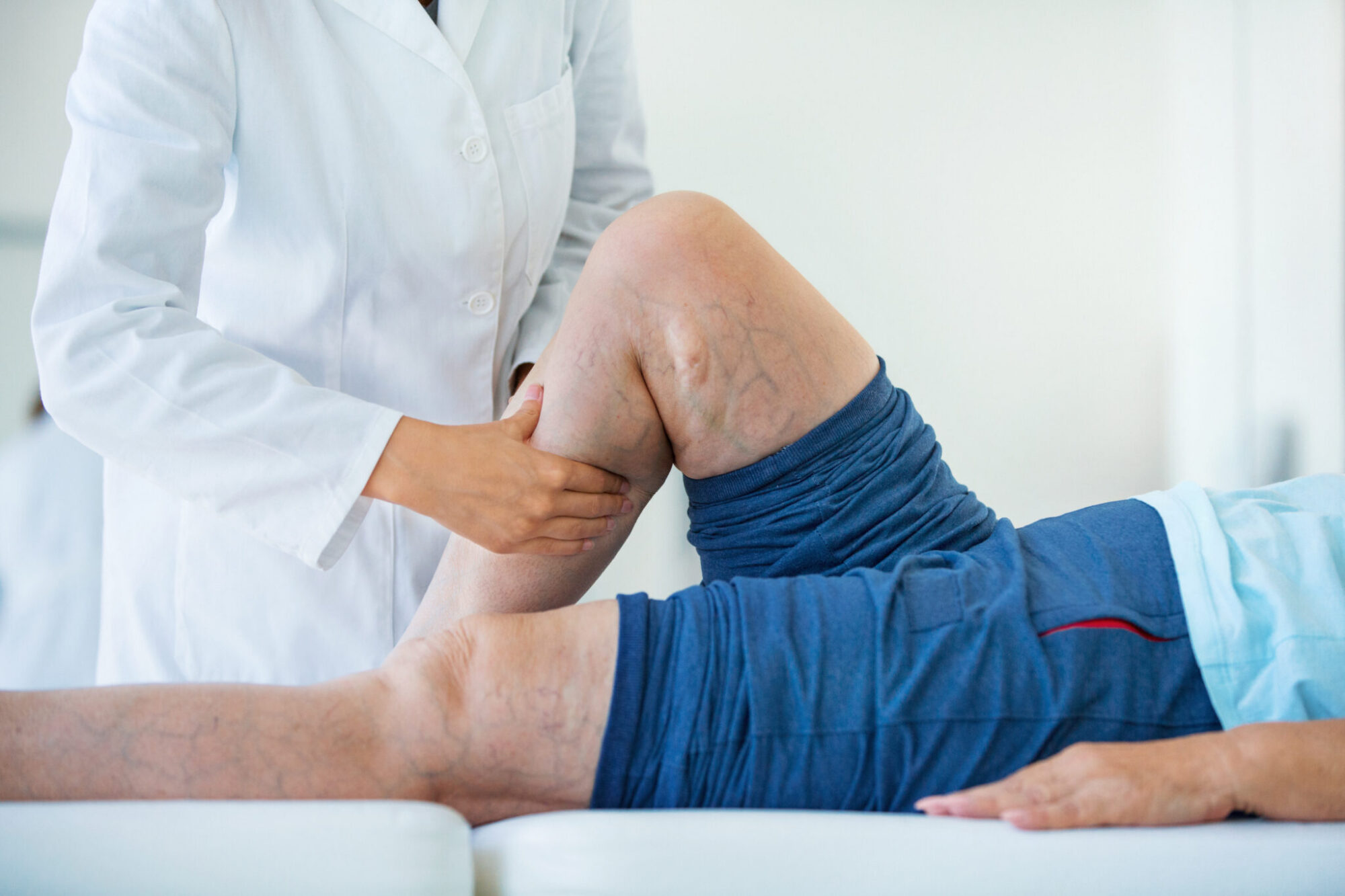
A common symptom of PAD is leg pain, cramping, or fatigue when walking that improves with rest. Other signs can include:
- Numbness or weakness in the legs or feet
- Coldness in one foot or leg
- Changes in skin color or appearance
- Slow-healing cuts or sores on the feet or legs
- Pain in the feet or toes, especially at rest
- Hair loss or changes in toenail growth on the legs or feet
Some people with PAD have mild or no symptoms, making awareness and regular cardiovascular care especially important.
Are You at Risk?
Your risk of PAD may be higher if you:
- Smoke or have a history of smoking
- Have diabetes
- Have high blood pressure or high cholesterol
- Have heart disease
- Are physically inactive
- Have a family history of cardiovascular disease
- Are older
If you have risk factors or symptoms, talk with your healthcare provider about whether you should be evaluated for PAD.
PAD Is More Than a Leg Problem
PAD is caused by atherosclerosis, the buildup of plaque in the arteries. The same disease process can affect the arteries supplying the heart and brain.
That means PAD can be an important warning sign of broader cardiovascular disease.
Identifying PAD gives patients an opportunity to address cardiovascular risk factors and protect their health.
Specialized Vascular Care
At Consulting Cardiologists, PC, patients have access to cardiovascular and vascular expertise, including care from Dr. Zain Ahmed, who specializes in vascular and endovascular medicine.
Dr. Ahmed evaluates and treats conditions affecting the arteries and veins, including PAD. Depending on the individual patient, evaluation may include noninvasive vascular testing and, when appropriate, minimally invasive endovascular procedures designed to improve blood flow.
Take the Next Step
Don’t assume recurring leg pain or changes in your feet are simply a normal part of aging.
If you have symptoms of PAD or risk factors for vascular disease, talk with your healthcare provider. Early evaluation can help identify circulation problems and provide an opportunity to reduce your cardiovascular risk.
This PAD Awareness Month, take a step toward better heart and vascular health.
If you have symptoms of PAD or risk factors for vascular disease, talk with your cardiologist or healthcare provider. Ask whether an ankle-brachial index (ABI) test in our office to assess circulation is right for you. We are accepting new patient referrals to our Vascular Medicine Program.
Early detection of PAD can help identify circulation problems, improve symptoms and walking, and—most importantly—provide an opportunity to reduce your risk of heart attack, stroke, and other cardiovascular complications.
Click here to learn more about our Vascular & Endovascular Center.