The Carotid Artery Disease Program at CCPC
The Carotid Artery Disease Program within the Vascular & Endovascular Medicine Center at Consulting Cardiologists, PC is designed to help detect, monitor, and treat conditions that can increase your risk of stroke—often before symptoms appear. We offer comprehensive carotid care—from early detection to advanced minimally invasive treatment options—designed to prevent stroke and optimize long-term outcomes. Early detection can prevent stroke before symptoms occur.
What is Carotid Artery Disease?
Your carotid arteries are the main blood vessels in your neck that
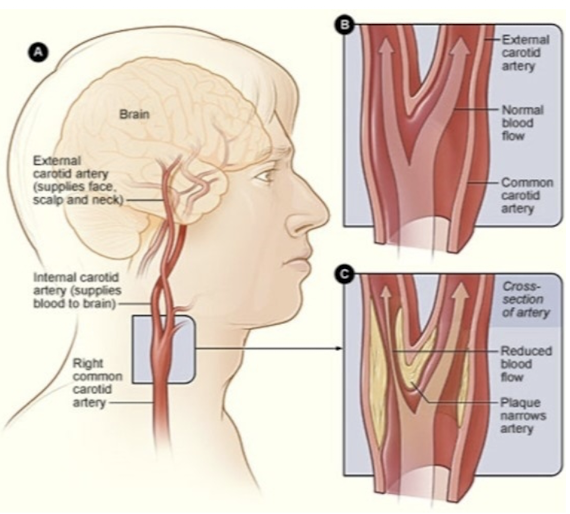
supply blood to your brain. Over time, these arteries can become narrowed or blocked by plaque (a buildup of fat and cholesterol). If plaque breaks loose, it can travel to the brain and cause a stroke, which may lead to permanent brain injury.
Why is a Carotid Artery Disease Program Important?
Stroke is one the leading causes of disability but it is often preventable. Carotid artery disease is one of the major causes of stroke—and many people do not know they have it. Many patient with carotid artery disease have no symptoms until a stroke or mini-stroke (TIA) occurs. Early detection and proper medical treatment can significantly reduce this risk.
How We Care for You
Our program brings together a team of specialists to provide coordinated, personalized care focused on preventing stroke. We focus on:
- Early detection – Identifying disease before symptoms develop
- Ongoing monitoring – Tracking your condition over time
- Personalized treatment plans – trailered to your risk and anatomy
- Stroke prevention – Our top priority
Your Treatment Options
Your care plan may include:
- Lifestyle changes
(healthy eating, exercise, quitting smoking). We will offer support through our lifestyle medicine program. - Medications
To control blood pressure, cholesterol, and stabilize plaque - Routine imaging and follow-up
To safely monitor your arteries over time - Procedures if needed
If your arteries are significantly narrowed, we may recommend a procedure to help prevent plaque from breaking off and traveling to the brain
Advanced, Team-Based Treatment Approach
Our carotid program is incredibly unique in that it brings in experts from all relevant fields and specialties to determine the best treatment option for our patients. If a procedure is needed, your case is carefully reviewed by a multidisciplinary team of experts that may include:

- Interventional cardiologists
- Vascular Surgeons
- Vascular medicine physicians
- Neurologists
- Neurosurgeons
- Interventional radiologists
Together, we determine the safest and most effective treatment option for you.
Available Procedures
Carotid Endarterectomy (CEA): a surgical procedure that removes plaque from the carotid artery
Minimally Invasive Carotid Stenting: Transfemoral Carotid Stenting (TFCAS) or Transcarotid Artery Revascularization (TCAR): minimally invasive procedures that use a stent to keep the carotid artery open.
The best approach depends on your individual risk factors and anatomy.

Comprehensive Carotid Services
Advanced Imaging and monitoring
- In-office carotid ultrasound
- CTA/MRA for detailed evaluation and procedure planning
Intensive Medical Management
Medical therapy and risk factor reduction are essential for all patients with carotid artery disease. Our evidence-based protocol emphasizes:
- Blood pressure control
- Antiplatelet therapy
- Diabetes optimization
- Smoking cessation support
- Structured lifestyle counseling through our lifestyle medicine program
A Stronger, More Connected Program
Our unique carotid program enhances the care we provide because:
- Carotid artery disease shares the same risk factors as heart disease. Patients with carotid artery disease are at higher risk for heart disease. Your care will be provided by a highly trained interventional cardiologist that specializes in both cardiac and vascular interventions.
- We work closely with our vascular surgery and neurology colleagues to increase collaboration between multiple specialties
- Improving stroke prevention efforts across the region
- Continuing our commitment to high-quality, team-based, patient-centered cardiovascular care
Our Goal
To prevent strokes and help you live a longer, healthier life. We combine early detection, careful monitoring, and advanced treatment options to support you every step of the way.
Schedule an Evaluation
If you have risk factors for stroke or have been told you have carotid artery disease or plaque in carotid arteries, we are here to help.
Call Us: (860) 947-4322
Frequently Asked Questions
What is carotid artery disease?
Carotid artery disease occurs when plaque (cholesterol buildup) narrows the arteries in your neck that supply blood to your brain. This can reduce blood flow or cause plaque to break off and lead to a stroke or mini-stroke (TIA).
What are the warning signs of carotid disease?
Many people have no symptoms until a stroke or mini-stroke occurs. When symptoms do happen, they may include:
- Sudden weakness or numbness on one side of the body
- Difficulty speaking or understanding speech
- Vision loss in one eye
- Dizziness or loss of balance
These symptoms even if temporary (TIA) are medical emergencies. Call 911 immediately if you experience any signs or symptoms suggestive of a stroke.
Who should be screened for carotid artery disease?
Screening may be appropriate if you have:
- History of stroke or TIA
- History of temporary loss of vision in one or both eyes, often described as a “curtain” dropping over the field of vision
- Peripheral artery disease (PAD)
- Coronary artery disease
- Carotid bruit
- Multiple cardiovascular risk factors including high blood pressure, high cholesterol, diabetes, kidney disease
- Smoking
We can help determine if screening is appropriate for you.
How is carotid artery disease diagnosed?
We typically start with a carotid ultrasound, a painless, non-invasive test that measures blood flow and detects blockages.
Additional imaging may include:
- CT angiography (CTA)
- MR angiography (MRA)
- Catheter-based angiography (in select cases)
What percentage blockage is dangerous?
- <50% blockage: usually managed with medications and monitoring
- 50–69% blockage: may require closer follow-up or treatment depending on symptoms, may be considered for intervention if you had a recent stroke or mini stroke
- ≥70% blockage: may be considered for intervention
Treatment decisions are based on your symptoms, anatomy, and overall risk profile—not just the number alone. We see patients in our carotid program with any degree of plaque or stenosis in their carotid arteries.
Can carotid disease be treated without surgery?
Yes. Many patients are treated with medical therapy, including:
- Cholesterol-lowering medications
- Antiplatelet therapy (e.g., aspirin)
- Blood pressure control
- Lifestyle changes
Careful monitoring is essential to ensure carotid artery disease does not progress.
What is the difference between TCAR and carotid stenting?
- TF-CAS (transfemoral stenting): a stenting performed through the groin using catheters with a protective filter to capture plaque
- TCAR: a stenting procedure performed through a surgical incision in neck with blood flow reversal
The best option depends on your anatomy and risk factors.
How do you decide which treatment is best for me?
We take a personalized, multidisciplinary approach, considering:
- Degree of stenosis
- Symptoms (stroke or TIA history)
- Plaque characteristics
- Anatomy of your carotid artery and aorta
- Your overall medical condition
Our goal is to choose the safest and most effective option for you. Our carotid program is incredibly unique in that it brings in experts from all relevant fields and specialties to determine the best treatment option for our patients.
Will I need follow-up after treatment?
Yes. Ongoing care is essential and includes:
- Yearly carotid ultrasound surveillance in our office
- Continued medical therapy
- Risk factor management
This helps ensure long-term success and prevent recurrence.
How can I schedule an evaluation?
Call us at (860) 947-4322 or request an appointment online. We offer convenient locations in Glastonbury, Hartford and Wallingford.